
Mark
Founder. Principal Songwriter. Beatles fan. Pro at having those light-bulb moments!

Helen
Founder. Principal Songwriter. Pencil & notebook wielder. Tea drinker, book lover and picture
taker.

Antony
Managing Director. Horn player, painter and beekeeper.
Bread-and-butter-pudding binger and proud
owner of a Little Grey Fergie.

Sadie
Publishing Director. Glass-bead maker. Sock knitter. Cactus lover. Colour addict. Makes a mean
risotto.

Sue C
Finance & Operations Manager. Big fan of food, drink and musical theatre shows. Enthusiastic
board-games player.

Georgia
Director of Marketing. Body Combat fanatic. Lover of sunshine and travel.
Collector of elephants (not real ones!).

Pete
Operations and Systems Manager. Classical baritone,
conductor and singing teacher. Lover
of food:
cooking, sharing and eating! Husband, dad, dog walker.
>

Nikki
Primary Education & Training Lead. Somerset enthusiast. Fresh-air and countryside addict. Acting
dabbler.
Tortoise owner. Loves a good sing-song.

Naomi
Creative Operations Lead. Songwriter, storyteller, flat whiter. Unashamedly a Hercules
soundtrack lover. Part-time shower
singer.

Theresa
Online Marketing & Communications Officer. Walk lover, Sea-view enthusiast, Chocolate connoisseur and F1 fan. Loves dogs, dislikes coffee.

Rebecca
Senior Editor. Wishes it could snow every day. Would like to live in Disneyland. Loves ballet. Plays
tennis.

Leigh
Senior Editor. Oboist and singer. Mum of three. Lover of Labradors, books and chocolate.

Liz
Finance Assistant. Dark chocolate devotee, cat lover, pilates and yoga enthusiast.
Musical theatre fan, loves an afternoon tea.

Andy
Musician, Arranger, Producer & Studio Manager. Blessed grandad to 4 grandchildren - and known as Grandy! Coffee lover, astronaut, beach explorer and fashion guru. (Not all true.)

Lisa
Sales & Customer Engagement Specialist. Sausage dog owner. Loves long walks along a beach and
spending
time with her two grandchildren.

Clare
Senior designer. Mum of two. Netball player. Basketball watcher. Cat lover. Enjoys baking, sewing,
watching The Traitors and eating Liquorice Allsorts!

Cecily
Marketing & Social Media Assistant. Dog owner. Animal lover. Guitar player. Mess maker!

Gwen
Development, Education & Partnerships Administrator. A capella singer, London lover, novice allotment gardener, loves going to the theatre and supports Community Arts projects. Keen cyclist, but not into lycra!

Charlotte
Operations & Customer Services Assistant. Lover of garlic bread, tap dancing and reading. Marvel &
Harry Potter fan.

Chrissie
Midweight Graphic Designer. Book nerd, illustrator and hiker. Nature and animal lover. Also into puzzles, board games and anything Disney or Lord of the Rings related. Adds chilli to everything!

Alex
Junior Graphic Designer. Tea drinker extraordinaire, avid skier, keen baker and bookworm. Kickboxing enthusiast and collector of rare 50p coins.

Hannah
Digital Marketing Strategy Manager. Festival enthusiast. Outfit maker. Houseplant collector and fair-weather runner.

Siân
Education Partnerships & Content Co-ordinator. Loves writing songs, playing guitar and live music. Obsessed
with her rescue pup Peggy.

Verity
Junior Artworker & Designer. Pets every dog that passes. Lover of piano, musicals, pyjamas and the
beach.
Fierce defender of pineapple on pizza.

Alison
Music Editor. Loves a cuppa, dark chocolate and a good book! Enjoys singing, playing the piano,
musical theatre and early morning walks on the beach.

Gemma
Faith and Church-Partnerships Lead, storyteller, sea-dipper, piano player but bass lover, writer and word maker-upperer.
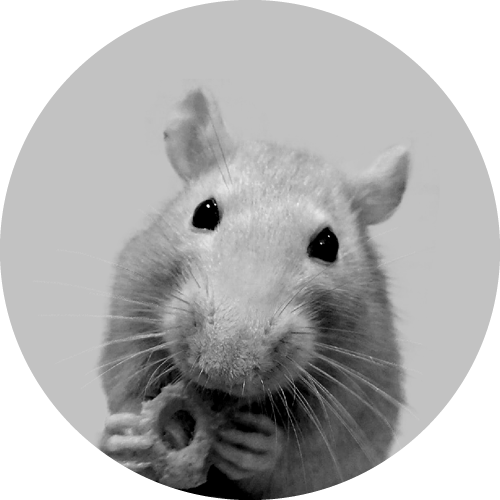
Lizzie
Operations & Royalties Co-ordinator. Aficionado of rats. Walker of dogs. Needle-felter
of things.